


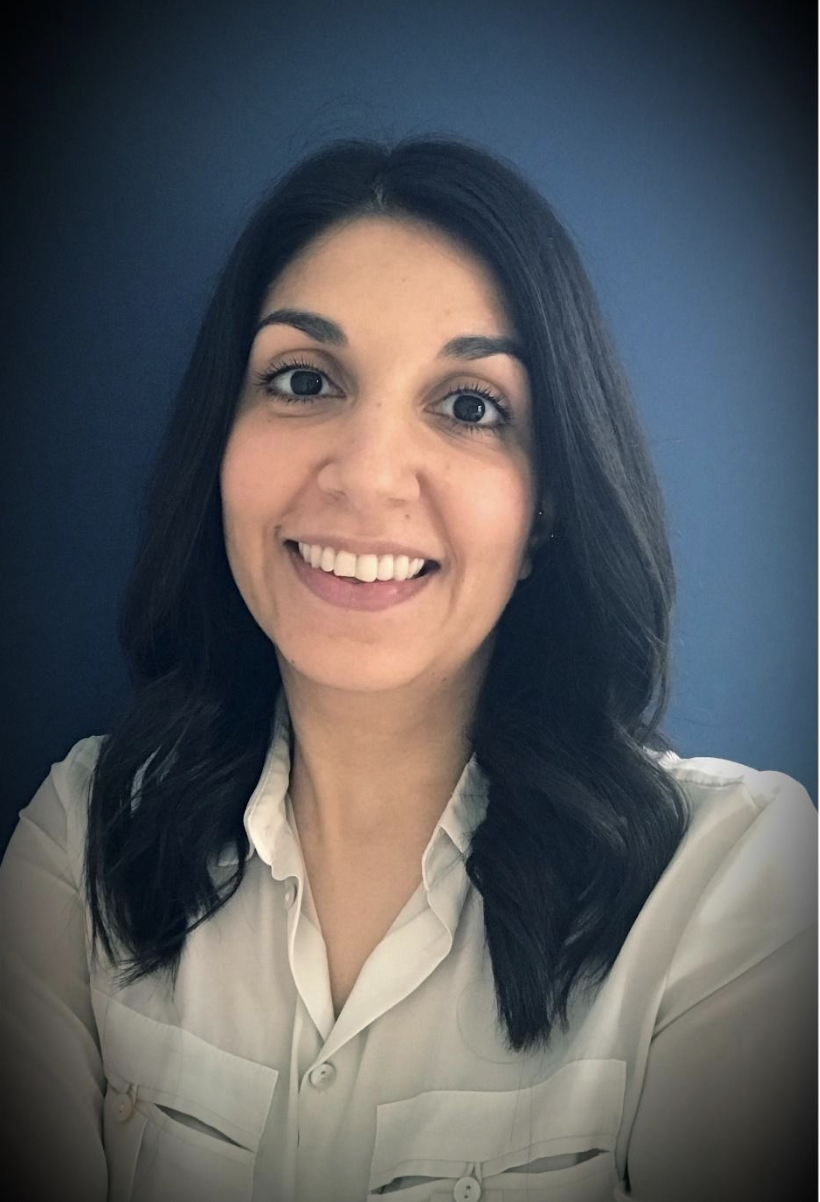
Dr Emma Harris
Understanding Autism Together is a service for families who simply want to speak to an autism professional about autism. Having worked in autism services for many years, I am aware that support can be very diagnosis-focused, and there is not always services that are easily available for parents and young people who want to know more about autism, or want to explore what being autistic is like for them.
I am a Clinical Psychologist and am registered with the Health and Care Professions Council. I have a wide-range of experience of working with children, young people, and families, and have worked in NHS services for 12 years. This has included autism-related services as well as work in CAMHS, paediatric health, education, and behaviour-related teams.
I have specialised in autism, and have extensive experience of working with autistic children and young people, as well as having completed formal training in a range of topics and assessment tools relevant to autism. I have worked in several NHS autism assessment teams where my work has involved undertaking autism assessments with children aged 3-19 years, as well as providing post-diagnostic support and ongoing therapy for young people and their parents and carers.
Currently, I have multiple job roles which means I work with autistic families in a variety of ways. I work as a senior clinician in an NHS autism assessment team, I provide therapeutic psychological support to autistic children and their families, and I also work at the University of Reading Centre for Autism Wellbeing Hub where I am involved in research and developing services to support autistic thriving for children and young people. Working across multiple services means I have the privilege of hearing autistic individuals’ experiences every day, whether that is people who are just starting to find out about autism, or people with huge amounts of autism expertise. This has taught me a lot about autism and shaped how I work as a clinician.
I work in a neurodiversity-affirmative way, and very much consider autism to be a difference and not a ‘disorder’ or ‘deficit’. The challenges autistic individuals experience are often due to having to navigate environments that are mostly designed for neurotypical people. I think it is essential to support young people with identifying their strengths and understanding themselves, to help them be themselves and to advocate for what they need.
